What (extremely) high temperatures do to your pond
Warm water can hold less oxygen than cold water. At the same time, the metabolism of fish and bacteria speeds up at higher temperatures, which increases oxygen consumption. On top of that, more water evaporates, the water level drops and waste substances become more concentrated. This combination puts the biological balance under pressure and forms the basis for several possible problems in your pond.
Possible problems in warm weather
- Oxygen shortage – less dissolved oxygen and higher oxygen consumption. Fish gasp for air at the surface and can ultimately even suffocate.
- Stress and disease in fish – heat and oxygen shortage weaken the immune system, making fish more susceptible to parasites and diseases.
- Algae bloom – heat, plenty of light and nutrients together form the ideal breeding ground for algae. This causes cloudy water, floating layers and unpleasant odours.
- Disrupted biological balance – the breakdown of organic material consumes extra oxygen and can lead to a build-up of harmful substances such as ammonia and nitrite.
- Dropping water level – evaporation shrinks the living space and concentrates waste substances further, worsening water quality.
What you can do about it
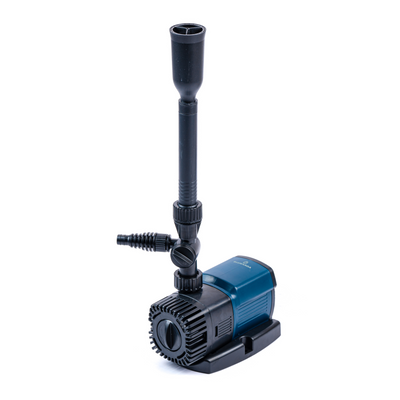
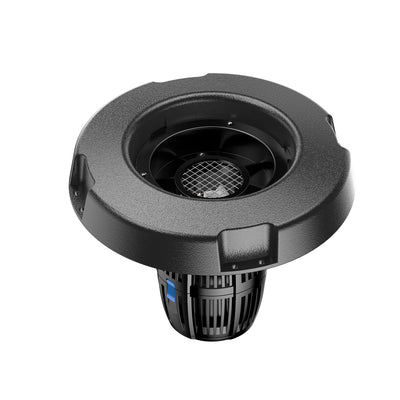
- Aerate – add extra oxygen with a fountain, waterfall and/or stream. Aeration is especially important at night, as oxygen levels are then at their lowest. A fountain or waterfall brings oxygen into the water and keeps the surface moving.
- Maintain water circulation – prevent stagnant water and dead zones with a pond pump. A skimmer removes floating debris from the surface before it sinks to the bottom and starts to rot.
- Create shade – limit warming with aquatic plants, floating plants or a shade cloth. A partly planted or shaded surface keeps the water temperature lower and slows algae growth.
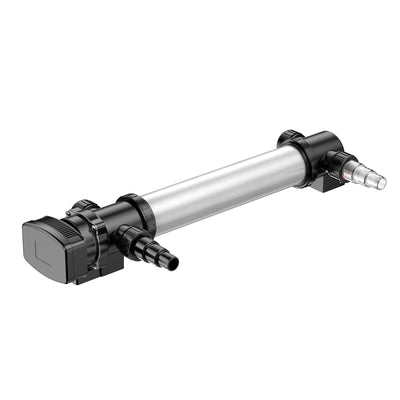
- Tackle algae – remove excess organic material and address suspended algae with a filter and UV-C device. This keeps the water clear and removes the nutrients algae feed on.
- Adjust feeding – feed smaller amounts more often during heat, so no food residue is left to burden water quality. An automatic fish feeder helps with dosing in smaller, more even portions.
- Top up the water level – replenish evaporated water in time. Do this gradually and mind the temperature difference, so the fish aren't startled by suddenly cold water.
High temperatures call for extra attention to your pond in summer, as oxygen shortage and algae blooms are then lurking. By aerating, providing shade and circulation and adjusting your maintenance, you keep the water healthy and balanced. This way you prevent problems before they arise, and your fish and plants stay in good condition even during a heatwave.